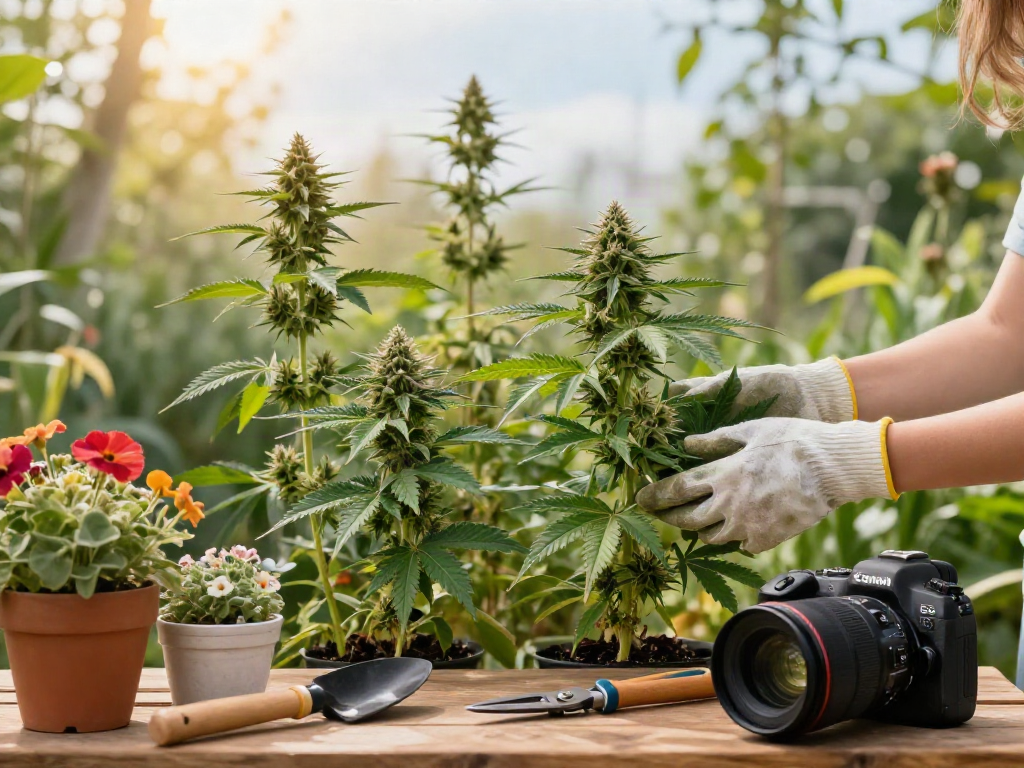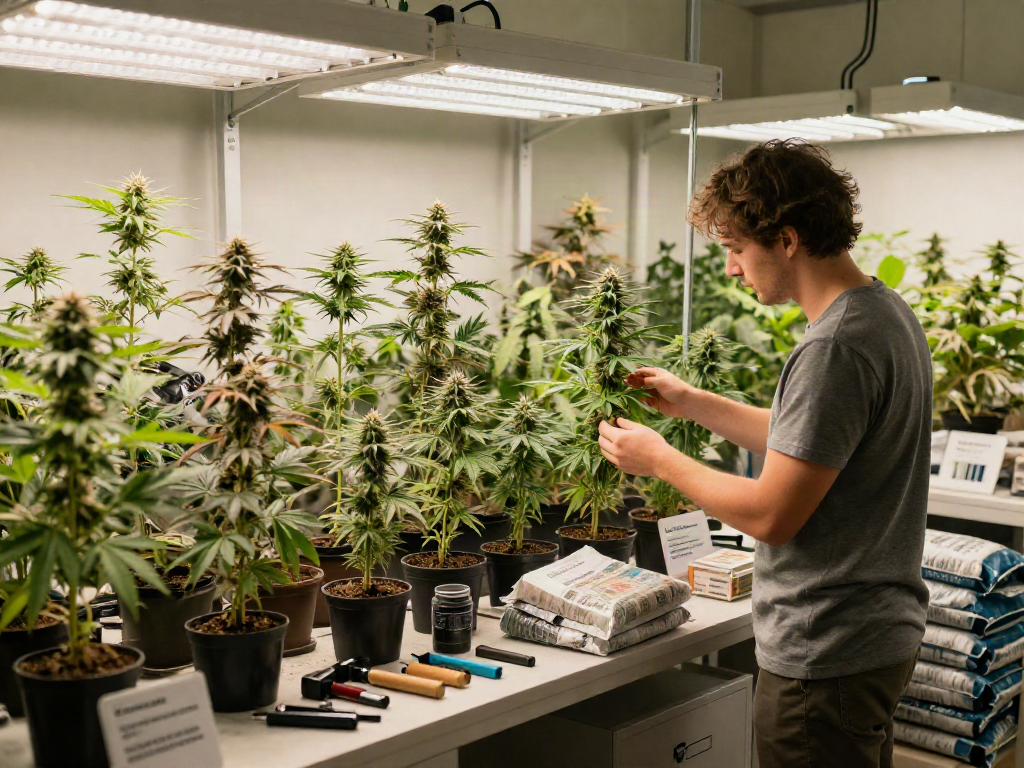
Introduction to CBD Oil in Canada
Cannabidiol (CBD) oil has gained remarkable popularity across Canada, driven by its various health benefits and the growing acceptance of cannabis-derived products. As more Canadians seek alternative wellness solutions, CBD oil has emerged as a go-to option for addressing issues ranging from anxiety to chronic pain. Understanding what CBD oil is, its legal status, and how it can fit into your lifestyle is essential for anyone considering these products. In this comprehensive guide, we will explore how to shop cbd oil canada, what to look for, and the practical applications of CBD in everyday life.
What is CBD Oil and its Benefits?
CBD oil is an extract derived from the cannabis plant, particularly from hemp, which is high in CBD but low in tetrahydrocannabinol (THC). This means it offers the relaxation and potential therapeutic effects without the psychoactive properties associated with THC. CBD interacts with the body's endocannabinoid system (ECS), which plays a crucial role in regulating various functions such as pain, mood, and immune response. Users often report benefits including:
- Reduced anxiety and stress levels
- Improved sleep quality and management of insomnia
- Relief from chronic pain and inflammation
- Support for mental health conditions like depression
- Enhanced overall well-being and balance
Legal Status of CBD Products in Canada
In Canada, the legal landscape surrounding CBD has evolved significantly since the legalization of cannabis in 2018. CBD products are legal to purchase and consume for adults aged 19 and above (or 18 in Alberta and Quebec) as long as they comply with the Cannabis Act. This includes CBD oil, tinctures, edibles, topicals, and other forms of consumption. It's crucial to purchase these products from reputable vendors to ensure they meet health and safety standards, as regulations mandate proper labeling and quality assurance through third-party testing.
Common Uses and Misconceptions about CBD
Misunderstandings about CBD often abound, particularly regarding its effects and legality. Many people inaccurately associate CBD with getting "high," while in reality, CBD does not produce such effects. Instead, users may experience heightened calmness and relaxation. It’s vital for consumers to educate themselves about the potential applications of CBD, including its use in managing:
- Chronic pain conditions, such as arthritis and migraines
- Stress-related disorders
- Neurological conditions
- Skin issues, including eczema and psoriasis
Choosing the Right CBD Oil for Your Needs
Full Spectrum vs THC-Free vs CBN Oils
When selecting a CBD product, it’s essential to understand the differences between the various formulations on the market. Full-spectrum CBD oil contains a range of cannabinoids, including trace amounts of THC (below 0.3% in most cases), which can enhance its effects through the entourage effect. THC-free options, such as CBD isolate, provide the benefits of CBD without any THC content, making them ideal for those sensitive to THC. Additionally, cannabinol (CBN) oils are beneficial for sleep and relaxation, combining CBD with this lesser-known cannabinoid.
Understanding Your Personal Needs and Health Goals
Your individual health goals should guide your choice of CBD oil. Those seeking to alleviate anxiety or improve sleep may benefit from a full-spectrum oil, whereas individuals concerned about THC may prefer ISO or CBN oils. Assessing your health status and desired outcomes will help you make informed choices about dosages and product types.
How to Read CBD Labels Effectively
Reading labels is crucial when purchasing CBD oil. Look for the following on product labels:
- Concentration: Measured in milligrams (mg) per bottle or per serving, indicating the potency of the CBD.
- Extraction Method: Verify if the product is solvent-free, using CO2 extraction, which is considered the safest method.
- Third-Party Lab Testing: Ensure that the product has been tested by an independent lab for purity and potency to verify that it is safe for consumption.
How to Shop for CBD Oil in Canada
Identifying Reputable CBD Brands and Retailers
Choosing the right brand is critical for ensuring quality and efficacy. Reputable retailers will provide transparent information about their sourcing practices, lab testing, and extraction methods. Look for brands with positive customer reviews and a proven track record in the industry. It's advisable to avoid brands that make unsubstantiated health claims or lack transparency about their product formulations.
Tips for Shopping Online for CBD Products
Online shopping for CBD oil can be convenient, but it's essential to remain vigilant. Here are some tips for a safe online shopping experience:
- Check customer reviews and ratings to gauge the effectiveness and reliability of the products.
- Review the FAQ section for information on shipping, returns, and customer service.
- Ensure the website has secure payment options to protect your financial information.
Utilizing Discounts and Assistance Programs
Many reputable brands, including CBDNorth, offer discounts and assistance programs for seniors and low-income individuals. Taking advantage of these options can make high-quality CBD oil more accessible. Additionally, look for promotions or bundle deals to maximize your savings.
Best Practices for Using CBD Oil
How to Start with the Right Dosage
Determining the correct dosage is essential for maximizing the benefits of CBD oil. It’s generally recommended to start with a low dosage and gradually increase it while monitoring your body’s response. Consulting with a healthcare professional experienced in CBD is advisable, particularly if you are on other medications.
Methods of Consumption: Tinctures, Edibles, and Topicals
CBD oils can be consumed in various ways, including:
- Tinctures: Administered sublingually for quick absorption.
- Edibles: Include gummies and capsules for a familiar consumption method.
- Topicals: Applied directly to the skin for localized relief.
Your chosen method may depend on personal preference, desired effects, and the speed of relief desired.
Monitoring Effects and Adjusting Your Routine
Keeping a journal of your CBD use can help track effects and dosages. Pay attention to how you feel after each dosage and make adjustments as necessary. It might take some time to find the perfect balance for your needs, so patience and consistent monitoring are key.
Future Trends in the CBD Market
Emerging Research and Innovations in CBD
The CBD market continues to evolve, with ongoing research into its potential health benefits. New studies are exploring its applications in various fields, including mental health, chronic pain management, and skin health. As research progresses, we can expect more innovative products and formulations tailored to specific health needs.
Consumer Awareness and Education Initiatives
As interest in CBD grows, so does the need for consumer education. Brands are increasingly focusing on educating their customers about the benefits and proper usage of CBD products. Educational resources and community outreach will play a vital role in helping consumers make informed decisions.
Preparing for Changes in Regulations and Market Dynamics
The regulatory landscape surrounding CBD continues to change, influenced by new research and consumer demand. Staying informed about potential regulatory changes is essential for consumers and businesses alike, as it can affect product availability and compliance requirements.
What is the best way to incorporate CBD into my wellness routine?
Incorporating CBD into your wellness routine can be approached gradually. Start by identifying specific health goals and integrate CBD into your daily regimen in a manner that complements other health practices such as exercise, meditation, and a balanced diet.
Is CBD oil safe for pets?
CBD oil can be safe for pets when specifically formulated for animals. It can help alleviate anxiety, promote joint health, and enhance overall well-being in pets. However, it's crucial to consult your veterinarian before introducing CBD into your pet's routine.
How do I find the right dosage for my needs?
Finding the right dosage involves starting with a low dose and gradually increasing it while monitoring your body's response. No two individuals are the same; hence, starting small and adjusting based on personal experience is essential.
What should I consider when shopping for CBD products?
When shopping for CBD products, consider factors such as the product's source, extraction method, potency, and lab testing. Always opt for reputable brands that provide transparent information and have positive reviews from other consumers.
Are there any side effects associated with CBD?
While CBD is generally well-tolerated, some individuals may experience mild side effects, including fatigue, changes in appetite, or diarrhea. It's crucial to consult healthcare professionals if you have concerns or experience adverse effects.