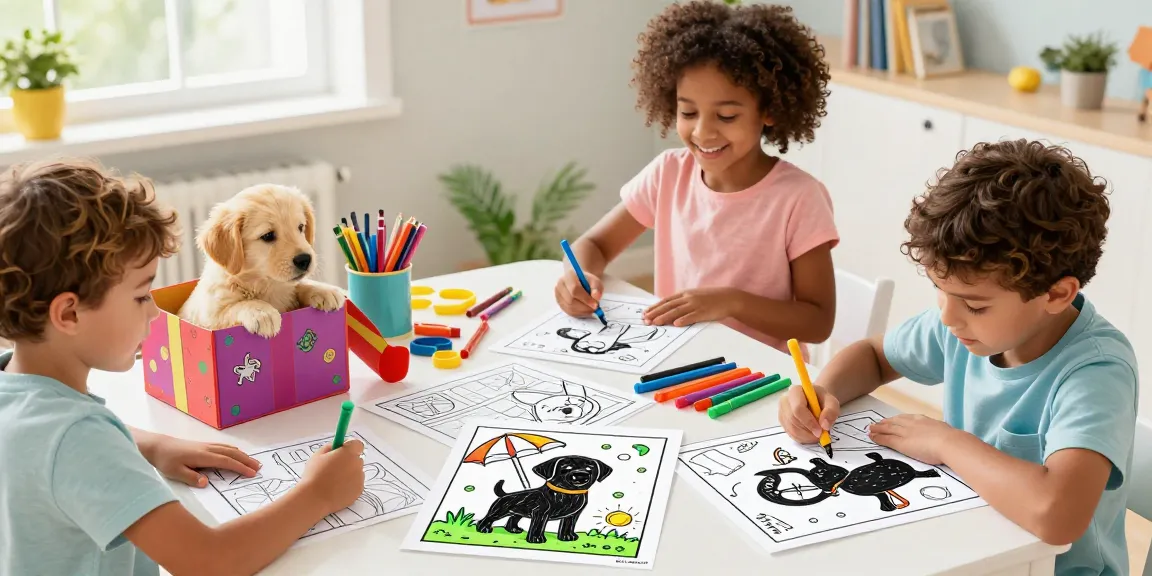
Understanding Educational Coloring and Its Benefits
Coloring pages are not just fun activities; they serve as educational tools that foster creativity and learning in children. One engaging option is Educational coloring pages, especially those featuring beloved animals like Labrador Retrievers. These pages enhance fine motor skills, sharpen focus, and invite imaginative exploration. By coloring intricate details or simply filling in the shapes, young artists not only have fun but also learn essential skills that contribute to their overall development.
What is Educational Coloring?
Educational coloring refers to the systematic approach of utilizing coloring pages as a means to impart knowledge while stimulating a child’s creativity. These pages often include themes that can be educational, involving concepts such as colors, shapes, and animal characteristics. By coloring, children learn about the world around them, enhancing their understanding of basic concepts while also allowing for personal expression through art.
Benefits for Child Development
The advantages of educational coloring for child development are immense. Here are some key benefits:
- Fine Motor Skill Development: Coloring requires children to grip crayons or colored pencils, which improves their hand-eye coordination and dexterity.
- Cognitive Skills: Following the lines and choosing colors cultivates problem-solving skills and critical thinking.
- Creativity and Self-Expression: Children can express their ideas and emotions through color choices and artistic interpretation.
- Focus and Concentration: The process of coloring engages kids, teaching them to focus on tasks for extended periods.
- Emotional Relief: Coloring can be a calming activity, allowing children to relax and reduce anxiety.
Unique Aspects of Coloring Labrador Retrievers
Coloring pages featuring Labrador Retrievers present unique opportunities for learning. Known for their friendly demeanor and playful spirit, Labs are perfect subjects for engaging children. By coloring these dogs, children not only learn about different breeds but can also explore various scenarios such as Labs balancing a ball, playing in the snow, or even snuggling with a child. Each theme provides an avenue for imaginative storytelling and deeper connection with nature.
Why Choose Labrador Retriever Coloring Pages?
Labrador Retrievers are one of the most popular breeds in the world, loved for their loyalty and friendliness. By choosing Labrador Retriever coloring pages, parents and educators can harness these qualities for educational benefits.
Characteristics of Labrador Retrievers
Labradors are known for their intelligence, trainability, and affectionate nature. They make excellent family pets and are often recognized for their playful energy. When children color images of these dogs, they learn to appreciate the characteristics that make Labs special, including:
- Loyalty: Labradors are known for their strong bonds with people and their capacity for unwavering loyalty.
- Intelligence: As one of the smartest dog breeds, Labs can learn commands quickly, making them ideal for training.
- Playfulness: Their love for play makes them relatable and enjoyable subjects for children to color.
Engagement Through Animal Themes
Animal themes significantly enhance engagement in coloring activities. Children are naturally drawn to animals, and Labradors hold a special place in many households. By integrating these themes, children become more invested in the activity, leading to longer attention spans and a more enjoyable learning experience.
Variety of Coloring Page Options
At PiColoring, there is a wide array of Labrador Retriever coloring pages available to cater to different age groups and skill levels. From simple outlines for younger kids to more intricate designs for older children, the variety ensures that every child can find something that challenges them while remaining fun. For example, kids might enjoy:
- Realistic Labrador images that highlight their features and colors.
- Cartoonish depictions that can invoke a sense of humor and adventure.
- Scenes where Labs are engaging in various playful activities.
Effective Coloring Techniques for Kids
To maximize the educational value of coloring activities, it’s important to encourage children to explore effective coloring techniques. Here are some tips to guide parents and kids:
Choosing the Right Colors
When coloring Labrador Retrievers, it’s essential to teach children about the actual colors of the breed. Labradors come in three primary colors: yellow, black, and chocolate. Instead of strictly adhering to these colors, children can also be encouraged to experiment and create imaginative versions of their Labradors:
- Yellow Labs: Light tan or cream colors.
- Black Labs: Dark grays and deep blacks.
- Chocolate Labs: Rich brown shades.
Moreover, children can play with colors outside of the norm, fostering creativity. A rainbow Lab? Why not!
Tools and Materials for Creative Expression
Different tools can enhance the coloring experience. Encourage kids to use a variety of materials such as crayons, markers, colored pencils, and even watercolors. Each medium provides a distinct look, which can lead to diverse artistic expressions. Additionally, having a well-organized workspace can help maintain focus and motivation.
Encouraging Individual Style in Coloring
Every child has a unique perspective on art. Allowing them to infuse their individuality into their color choices or how they draw their backgrounds fosters a sense of ownership over their work. Help them appreciate that there is no right or wrong way to color—only their way.
Innovative Learning Through Coloring Activities
Coloring can go beyond mere recreation; it has transformative potential when combined with structured learning activities.
Linking Art to Learning Concepts
Teachers and parents can connect coloring activities with broader learning goals. For example, while coloring a Labrador, kids can learn about canine anatomy, habitats, or the importance of responsible pet ownership. This interdisciplinary approach bridges art with science, biology, and even reading.
Incorporating Fun Facts About Labs
Integrating fun facts about Labradors during coloring sessions can enrich the experience. For instance, discussing their roles as service dogs can inform children about empathy and community service. Facts can be shared verbally or included on the coloring pages themselves, acting as mini-lessons while kids color.
Creating Coloring Challenges for Skill Development
Parents can develop creative challenges related to Labrador coloring pages. For instance:
- Challenge kids to create a background that matches or contrasts with their Labrador.
- Encourage them to include elements of nature found in a Labrador's habitat, like water or grass.
- Host a friendly competition for the most imaginative Labrador design.
Such challenges not only make coloring exciting but also stimulate critical thinking and problem-solving skills.
Using Coloring as a Family Bonding Activity
Coloring isn’t just an individual task; it can also serve as a powerful bonding experience for families. Engaging in this activity together can foster connection and create cherished memories.
Making Coloring Time Fun and Interactive
To make coloring sessions more interactive, families can establish themes or stories that revolve around their artwork. For example, they can create a story featuring a Labrador as the main character going on exciting adventures. As they color, they can narrate the story or invent new plot twists.
Sharing Finished Artwork with Family
Once completed, encourage children to present their artwork to the family, sharing what they’ve learned about Labradors and their coloring choices. This not only boosts their confidence but also promotes family discussion about pets and animals, deepening familial relationships.
Encouraging Conversations About Pets
Using coloring pages as a springboard for discussions about pets can enhance the learning experience. Families can talk about the responsibilities of pet ownership, share stories about current pets, or even brainstorm what traits they love most about Labradors. Such conversations nurture empathy and understanding in children.
What are the benefits of educational coloring?
Educational coloring promotes cognitive, emotional, and social development in children. It enhances fine motor skills, creativity, and focus while providing a medium for self-expression.
How can we effectively encourage kids to color?
Creating a dedicated coloring space, providing a variety of materials, and incorporating educational elements into coloring sessions can motivate children to engage with coloring activities meaningfully.
What types of coloring pages engage children the most?
Coloring pages with familiar themes, such as animals, nature, or popular characters, tend to resonate more with children, capturing their interest and enthusiasm for coloring.
How does coloring enhance creativity in children?
Coloring allows children to express their thoughts and feelings through color choices and artistic interpretation, thus fostering their creative imagination and original thinking.
What materials are best for educational coloring?
Utilizing a mix of crayons, colored pencils, markers, and even digital coloring apps can enhance the educational coloring experience. Each material offers different benefits that cater to various learning styles and preferences.